
In the heart of the Caribbean, where turquoise waters cradle a mosaic of island nations, maritime connectivity is more than a logistical necessity – it is the lifeblood of regional integration, economic resilience and sustainable development. Among the many vessels that traverse these waters, liner services stand out as the unsung heroes of inter-island trade, mobility, and cohesion. Liner services – meaning scheduled cargo and passenger vessels operating on fixed routes – form the backbone of maritime logistics in the Caribbean. Unlike tramp shipping, which operates on demand, liners offer predictability, frequency, and reliability. For island nations with limited land-based infrastructure and fragmented supply chains, this consistency is vital not only for Trade Facilitation and Economic Diversification, but also Disaster Resilience, by providing critical lifelines for humanitarian aid and recovery logistics.
Barbados, with its highly advantageous strategic location and rich maritime heritage, is uniquely positioned to lead a renaissance in Caribbean liner connectivity. As regional stakeholders push for ‘ferries not flights’ to reduce costs and carbon footprints, Barbados can emerge as a central node in a revitalized maritime network based on:
· Gateway Potential – with its proximity to both the Windward and Leeward Islands, Barbados can serve as a transshipment hub and feeder port.
· Tourism Synergy – integrating luxury liner services with cruise itineraries and water taxis enhances visitor mobility and experience.
· Green Logistics – Barbados can champion eco-friendly vessels and offshore bunkering stations (refuelling of ships) aligned with MARPOL and OPA 90 standards.
Maritime operations hinge on the quality of port facilities and systems, so regional growth can only be achieved through the robust strengthening and modernization of each country’s port infrastructure. This would include – but not be limited to – upgrading cargo handling equipment, digitizing customs processes, and expanding berthing capacity to accommodate larger vessels and faster turnaround times.
The ongoing upgrade of the Port of Bridgetown in Barbados could mark a significant milestone in enhancing the efficiency and competitiveness of the region's maritime operations, while potentially providing a blueprint for other Caribbean ports to follow. This initiative will feature the implementation of state-of-the-art automated systems to control port cranes, which will streamline the loading and discharging of cargo, thereby reducing turnaround times and improving overall productivity. Additionally, advanced software solutions will be integrated into port operations to optimize the management of cargo handling processes.
This project will be a collaborative effort involving both the private and public sectors, ensuring comprehensive stakeholder engagement and resource sharing. Notably, local stevedores will also be invited to participate as shareholders in the company overseeing this upgrade, reflecting a commitment to inclusive growth and investments that benefit the community as a whole.
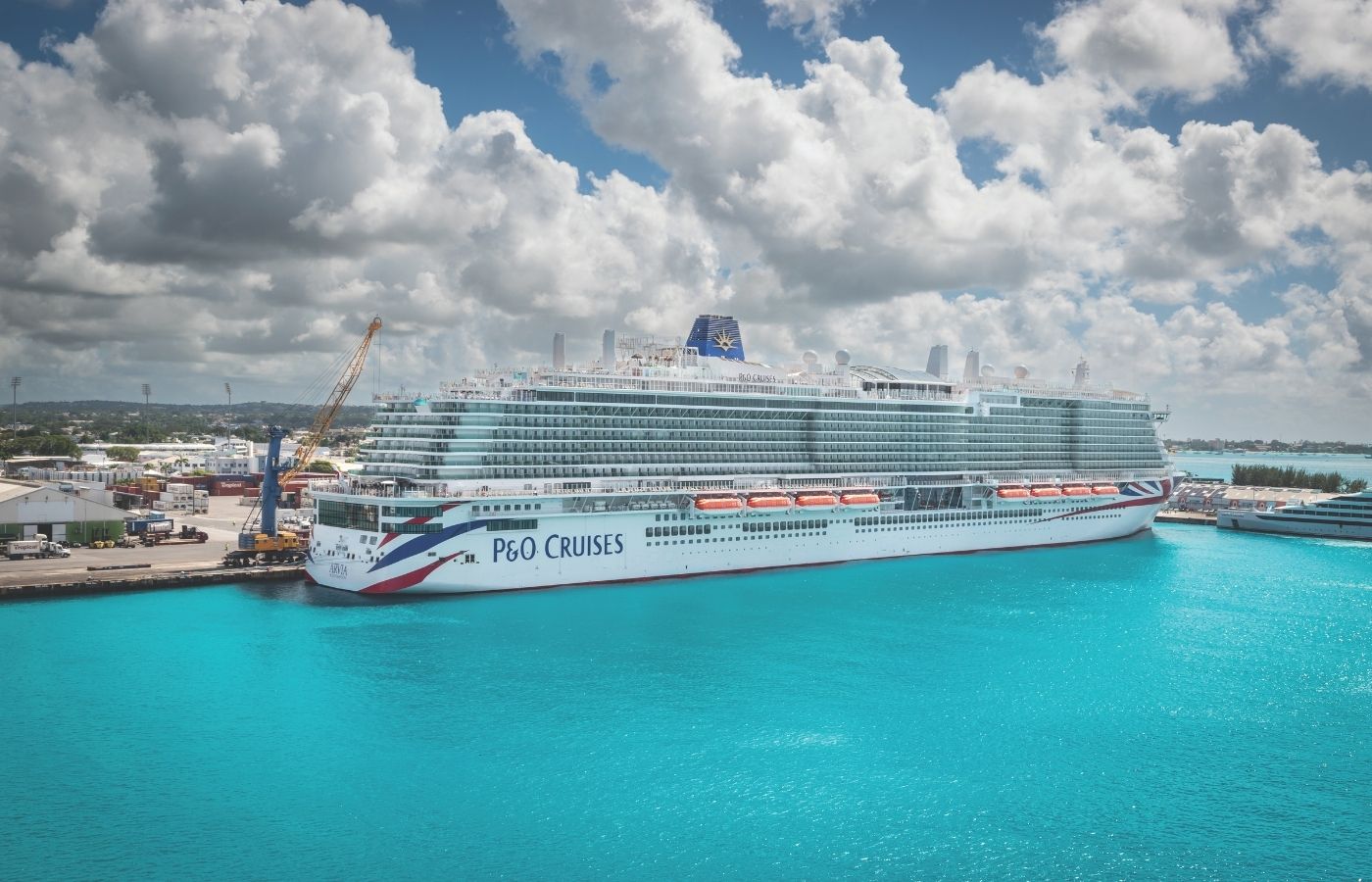
For Barbados, investing in port infrastructure will unlock new opportunities in transshipment, cruise tourism and regional ferry services. It will also position the island as a leader in maritime innovation and resilience, in keeping with its declared aspirations to become a major transshipment hub for / gateway to the Americas and Africa.
While vessels and ports form the physical backbone of connectivity, true regional integration requires the free movement of people. Interstate agreements that facilitate visa-free travel, streamlined customs protocols, and mutual recognition of identification documents are essential to unlocking the full potential of liner services.
The Organisation of Eastern Caribbean States (OECS), comprising Dominica, St. Vincent, Grenada, St. Lucia, Antigua & Barbuda, and St. Kitts & Nevis, has allowed free movement among its members since 2011. More recently, as of October 2025, Barbados has aligned with Belize, Dominica, and St. Vincent to implement full free movement of people and labour among themselves, whereby: (i) Nationals can live, work, and reside indefinitely in any of these countries without a work permit or visa. (ii) Access to public services such as healthcare and education is granted on par with locals. (iii) Family members (spouses, children, dependent parents) can also move freely.
This four-nation pact is seen as a pilot or ‘enhanced cooperation protocol’, that could encourage other regional countries to follow suit, thereby moving closer to CARICOM’s ultimate goal of achieving full free movement of all nationals across all member states, as outlined in the 2001 Revised Treaty of Chaguaramas.
With such a fragmented geography, the only way to effectively bridge the Caribbean archipelago is through a cohesive maritime strategy, founded upon the full collaboration of governments, chambers of shipping, and private operators to:
- Establish regional liner corridors with harmonized schedules and tariffs.
- Invest in port infrastructure and digital tracking systems.
- Promote public-private partnerships to fund vessel procurement and operations.
- Align with international standards to attract global registrars and superyacht traffic.
- Advance interstate agreements for seamless movement of people and goods.
As climate change and global trade dynamics continue to reshape the maritime landscape, the need increases for the Caribbean to anchor its future in sustainable, inclusive and innovative liner services. Barbados, with its visionary leadership and strategic ambition, can be the compass guiding this transformation.
*Minotaur Shipping and Project Management Ltd is the appointed Managing Consultant for the St. Lucia Chamber of Shipping
Latest Edition