-4.png)


The intersection of climate change and human health has been recognised as a significant global threat to human wellbeing and considered one of the biggest health challenges of the 21st century, according to the World Health Organization (WHO). Climate change harms health directly through events like extreme weather, and indirectly through deteriorating air quality, the spread of diseases, and increased strain on health systems. Small island developing states (SIDS), such as Barbados, experience environmental concerns including rising temperatures, more frequent extreme weather events, and shifting patterns of vector-borne diseases. These public‑health threats place significant strain on national healthcare systems.
In response to these health concerns, Barbados is positioning itself as a regional leader in climate‑resilient healthcare with its Health National Adaptation Plan (HNAP). This plan focuses on strengthening healthcare infrastructure, transitioning to renewable energy, enhancing disease surveillance, and integrating climate considerations into health policies. Through regional collaboration and knowledge-sharing, Barbados aims to safeguard public health and ensure healthcare continuity even in the face of environmental disruptions.
Realising this vision demands not only strategic planning, but also sustainable financing. Traditional funding models often fall short of the scale and flexibility needed to address complex, climate‑related health risks. Barbados has an opportunity to explore innovative financing mechanisms, including outcome‑based funding, debt‑for‑health swaps, and blended‑finance solutions. These tools can help diversify funding sources, align investment with measurable health outcomes, and encourage cross‑sector collaboration.
In September 2025, KPMG hosted a roundtable discussion during New York Climate Week titled - Climate & Health: Moving from Challenges to Transformation, which highlighted the potential for innovative financing mechanisms to be a game-changer in tackling the nexus between climate change and healthcare. Beyond infrastructure challenges, access to financing was highlighted as a key barrier, with government resources stretched thin and limited access to climate finance or innovative financing mechanisms within healthcare.
“Building resilient healthcare facilities and climate-proof health systems will take a substantial portion of the healthcare budget, however the return on investment can be realized through better population health outcomes and could deliver exponential savings in the future. The difficulty is not just financing projects, but ensuring systems integrate resilience across all aspects of healthcare. This includes not just infrastructure, but also care delivery, workforce, and supply chains – all accompanied by community engagement to ensure inclusive planning, education on the risks and mitigations, and empowering communities to address their social determinants of health so that they are best prepared to meet these challenges together,” noted Dr. Ed Fitzgerald, Head of Healthcare, KPMG Islands Group.
While innovative financing mechanisms for SIDS may be constrained by limited resources, relatively small populations, and vulnerability to external shocks, it was noted that traditional, fragmented approaches to financing no longer fit the scale of the problems being addressed. This may require SIDS like Barbados to increasingly leverage public-private partnerships and consider financing options that are context specific, sustainable, and resilient to economic and environmental challenges.
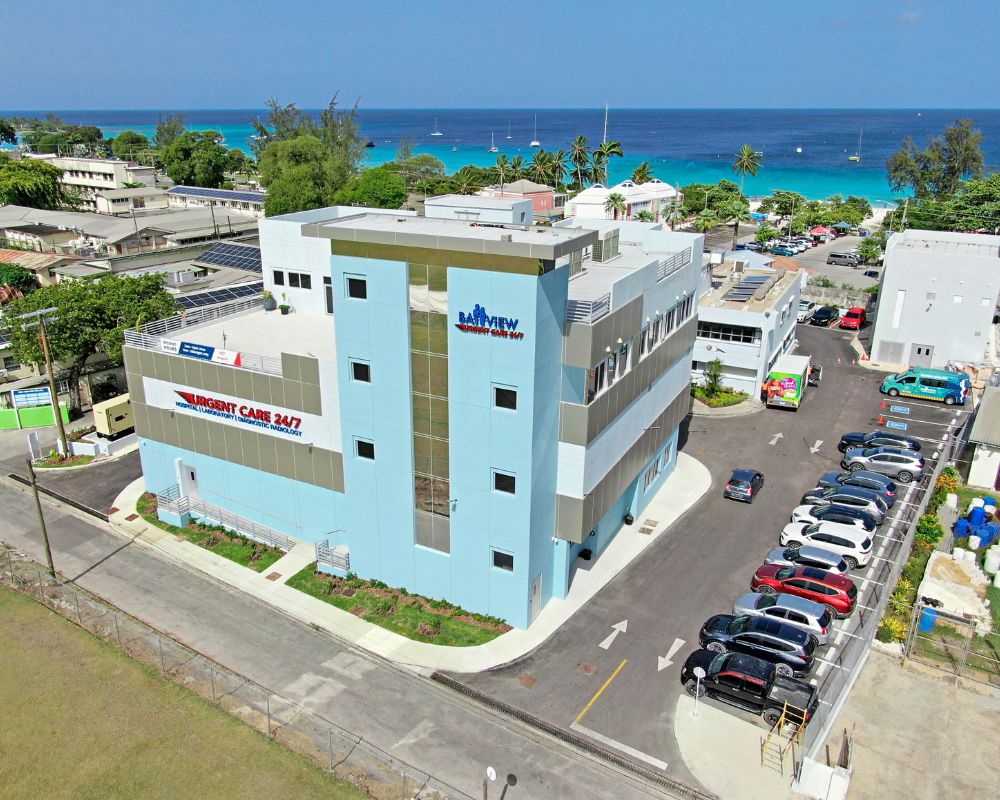
Meanwhile, with the assistance of international loans and national budget allocations, Barbados is making significant investments in its healthcare infrastructure to increase resilience and capacity. These efforts will enhance the country’s ability to anticipate, absorb and recover from climate-related stressors. Upgrades and expansion of the Queen Elizabeth Hospital (QEH), including modernised equipment and expanded services, are strengthening the island’s lone tertiary care facility. In addition, there is progress in digital health transformation with the expansion of electronic medical records, telemedicine, and real time health data systems. Private sector health institutions, such as Bayview Hospital, are increasing capacity, introducing advanced medical technologies, and improving patient‑care standards. These advancements in both private and public healthcare services will improve the efficiency and responsiveness of national healthcare delivery.

The Government is laying the foundation for a resilient, technologically advanced, and inclusive health system, one that not only meets the current demands of its population, but also anticipates and adapts to future challenges. By integrating climate resilience into health policy, exploring innovative financing, and expanding digital infrastructure, Barbados is taking a proactive approach to navigating the complex intersection of climate and health. This positions the country to potentially become a regional hub for healthcare excellence in a climate‑affected world. Healthcare services on the island are delivered through a mix of public providers which is complemented by private providers. The government’s climate resilient initiatives extend to both public and private health sectors, encouraging a unified response to climate-related health threats. This integrated approach is key to building a health system that can protect the well-being of all Barbadians—now and in the future.
Latest Edition